
REV1 (REV1 DNA directed polymerase)

The REV1 gene encodes a critical regulatory subunit of the Y-family DNA polymerases, a specialized class of enzymes characterized by their ability to perform translesion synthesis (TLS), a mechanism that allows DNA replication to proceed past obstructive lesions on the template strand. Unlike high-fidelity replicative polymerases, REV1 does not primarily act as a standalone replicative enzyme but functions as a versatile scaffold and regulator that coordinates the assembly of the TLS polymerase complex, particularly by recruiting and stabilizing the catalytic subunit Pol ζ (REV3) at sites of DNA damage. This coordination is mediated by specific protein-protein interactions, including the N-terminal BRCA1 C-terminal (BRCT) domain and zinc finger motifs, which facilitate the dynamic exchange of polymerases at stalled replication forks. REV1 exhibits a strong nucleotide preference for inserting deoxycytidine (dC) opposite damaged bases, a feature that is particularly relevant during the repair of UV-induced pyrimidine dimers and chemical adducts, thereby helping to maintain replication continuity in the face of genotoxic stress. The structural flexibility of the Y-family catalytic pockets, which permits the accommodation of distorted DNA templates, comes at the cost of reduced fidelity, meaning that REV1-mediated TLS is inherently error-prone and can contribute to mutagenesis if not tightly controlled. Consequently, dysregulation of REV1 has significant implications for genomic stability and disease; while its absence in mouse models leads to embryonic lethality or increased spontaneous tumorigenesis due to replication fork collapse and chromosomal breakage, aberrant overexpression in human cells can drive tumor progression by increasing the mutational load and promoting genetic instability. This dual role is clinically relevant in cancer biology, where elevated REV1 expression has been linked to increased resistance to platinum-based chemotherapeutics such as cisplatin, as cancer cells exploit enhanced TLS capacity to survive DNA-damaging treatments, while simultaneously contributing to the accumulation of mutations that fuel the evolution of aggressive phenotypes in malignancies such as melanoma and lung cancer.
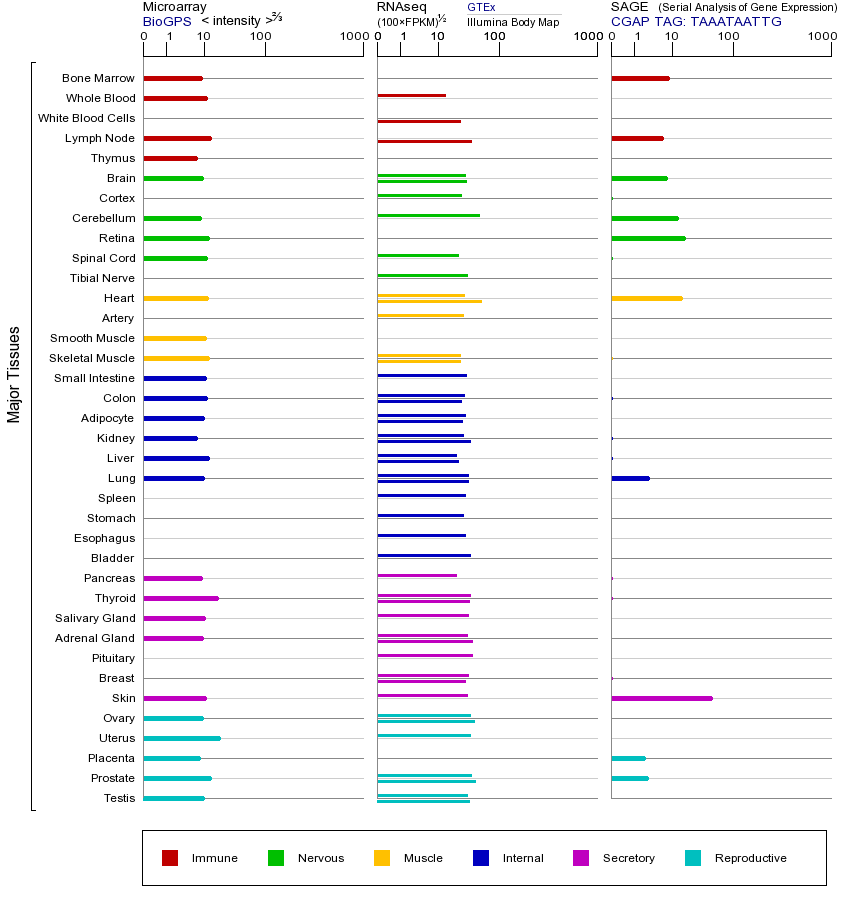
Gene Ontology
Subcellular localization of REV1 (and its protein):
- plasma membrane
- cytoplasm
- extracellular
- golgi
- vesicle
- cytoskeleton
- endoplasmic reticulum
- nucleus
- endosome
- lysosome
- mitochondrion
Gene Ontology (GO) terms for REV1:
| Interacting Gene | Interaction | Source/Score |
| Name |
|---|
| 3460 Fanconi anemia pathway [PATH:hsa03460] |
| Name |
|---|
| DNA Damage Bypass |
| DNA Repair |
| Termination of translesion DNA synthesis |
| Translesion synthesis by POLI |
| Translesion synthesis by POLK |
| Translesion synthesis by REV1 |
| Translesion synthesis by Y family DNA polymerases bypasses lesions on DNA template |
| Disease | Score | NofPmids | NofSnps | Source |
| Malignant neoplasm of lung | 0.00764398 | 4 | 1 | BeFree_GAD |
| Meningioma | 0.002367032 | 1 | 0 | GAD |
| Cervical Intraepithelial Neoplasia | 0.002367032 | 1 | 0 | GAD |
| Squamous cell carcinoma | 0.002367032 | 1 | 0 | GAD |
| Meningeal Neoplasms | 0.002367032 | 1 | 0 | GAD |
| Uterine Cervical Neoplasm | 0.002367032 | 1 | 0 | GAD |
| Chronic Lymphocytic Leukemia | 0.002367032 | 1 | 0 | GAD |
| Malignant neoplasm of breast | 0.002367032 | 1 | 0 | GAD |
| Brucella melitensis infection | 0.001085767 | 4 | 0 | BeFree |
| Fanconi Anemia | 0.000814326 | 3 | 0 | BeFree |

Contact
No. 2 Wenbo Road, Zhangqiu District, Jinan, Shandong
Qilu Normal University · Genelibs Bioinformatics Lab
750 Shunhua Rd, Jinan
2F, Bldg F, University Science Park
Tel: 0531-88819269
WeChat Official Account
Follow our WeChat subscription account for real-time updates and the latest in medical and biological research.
Business Email
E-mail: product@genelibs.com

Copyright © 2026.Genelibs Jinan Honghui Biotechnology Co., Ltd. 鲁ICP备20007159号-2
