
TAF10 (TATA-box binding protein associated factor 10)

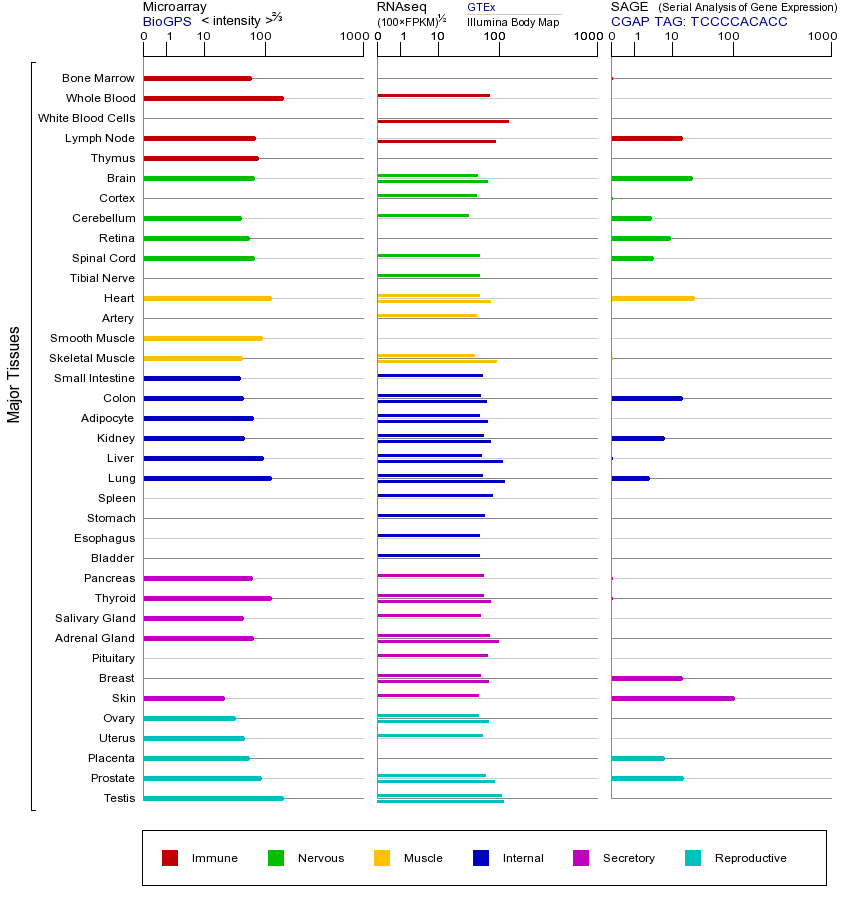
TAF10, encoding a conserved nuclear protein and a critical subunit of the TFIID transcription factor complex, plays a pivotal role in the initiation of RNA polymerase II-mediated gene transcription. As a member of the TATA-box binding protein associated factor (TAF) family, TAF10 utilizes its histone fold domain to form stable heterodimers with other TAFs, such as TAF3 and TAF8, thereby ensuring the structural integrity and stoichiometric balance of the TFIID complex. This complex is essential for recognizing core promoter elements, including the TATA box, and facilitating the assembly of the pre-initiation complex at the start sites of target genes. TAF10 is broadly expressed across eukaryotes and is particularly vital for maintaining the pluripotency of embryonic stem cells, as well as regulating the transcription of genes involved in cell cycle progression and development, such as MYC and CCND1. Disruption of TAF10 function through loss-of-function mutations leads to defective TFIID assembly, resulting in global transcriptional failure and embryonic lethality in murine models, while dysregulation of its expression levels can have profound pathological consequences. Specifically, TAF10 overexpression can perturb the stoichiometry of the TFIID complex, leading to transcriptional dysregulation and aberrant expression of proliferation-associated genes, a phenomenon frequently observed in various malignancies including leukemia, breast cancer, and colorectal cancer. In hepatocellular carcinoma, high TAF10 expression is often associated with poor clinical prognosis, whereas reduced expression may compromise TFIID stability, potentially triggering p53 pathway activation or impairing cellular differentiation. Thus, TAF10 serves as a fundamental regulator of basal transcription, with its precise expression and interaction dynamics being critical for normal cellular homeostasis, embryonic development, and the prevention of tumorigenesis.
Gene Ontology
Subcellular localization of TAF10 (and its protein):
- plasma membrane
- cytoplasm
- extracellular
- golgi
- vesicle
- cytoskeleton
- endoplasmic reticulum
- nucleus
- endosome
- lysosome
- mitochondrion
Gene Ontology (GO) terms for TAF10:
| Interacting Gene | Interaction | Source/Score |
| Name |
|---|
| 3022 Basal transcription factors [PATH:hsa03022] |
| 5168 Herpes simplex infection [PATH:hsa05168] |
| Name |
|---|
| Chromatin modifying enzymes |
| Chromatin organization |
| Disease |
| Gene Expression |
| HATs acetylate histones |
| HIV Infection |
| HIV Life Cycle |
| HIV Transcription Initiation |
| Infectious disease |
| Late Phase of HIV Life Cycle |
| RNA Polymerase II HIV Promoter Escape |
| RNA Polymerase II Pre-transcription Events |
| RNA Polymerase II Promoter Escape |
| RNA Polymerase II Transcription |
| RNA Polymerase II Transcription Initiation |
| RNA Polymerase II Transcription Initiation And Promoter Clearance |
| RNA Polymerase II Transcription Pre-Initiation And Promoter Opening |
| Transcription |
| Transcription of the HIV genome |

Contact
No. 2 Wenbo Road, Zhangqiu District, Jinan, Shandong
Qilu Normal University · Genelibs Bioinformatics Lab
750 Shunhua Rd, Jinan
2F, Bldg F, University Science Park
Tel: 0531-88819269
WeChat Official Account
Follow our WeChat subscription account for real-time updates and the latest in medical and biological research.
Business Email
E-mail: product@genelibs.com

Copyright © 2026.Genelibs Jinan Honghui Biotechnology Co., Ltd. 鲁ICP备20007159号-2
