
APPL1 (adaptor protein, phosphotyrosine interacting with PH domain and leucine zipper 1)

APPL1 (Adaptor Protein, Phosphotyrosine Interaction, PH Domain and Leucine Zipper Containing 1) is a multifunctional adaptor protein that serves as a critical node in cellular signal transduction, metabolic regulation, and cytoskeletal dynamics. As a member of the APPL family, which also includes APPL2, APPL1 utilizes its Pleckstrin homology (PH) domain, phosphotyrosine-binding (PTB) domain, and leucine zipper motif to mediate protein-protein interactions and facilitate membrane trafficking events. It is predominantly localized to the plasma membrane, endosomes, and the nucleus, where it plays a pivotal role in insulin signaling by directly interacting with insulin receptor substrate 1 (IRS1) and protein kinase B (Akt), thereby promoting glucose uptake and metabolic homeostasis. Beyond its canonical role in insulin sensitivity, APPL1 is implicated in the regulation of apoptosis, autophagy, inflammatory responses, and lipid metabolism, including the differentiation of adipocytes. While APPL1 and APPL2 exhibit functional redundancy in certain signaling contexts, they display tissue-specific divergences; APPL1 is particularly prominent in insulin signaling, whereas APPL2 may be more heavily involved in cytoskeletal regulation. Dysregulation of APPL1 expression has significant pathological implications: reduced levels are associated with insulin resistance, type 2 diabetes, obesity, and cardiovascular disease, while altered expression in cancer cells can modulate tumor proliferation and migration. Furthermore, APPL1 influences the activity of downstream effectors in the Akt/mTOR pathway, linking its function to broader cellular growth and metabolic control. Consequently, APPL1 represents a promising therapeutic target for metabolic disorders and malignancies, given its central role in coordinating multiple signaling cascades that govern cell fate and metabolism.
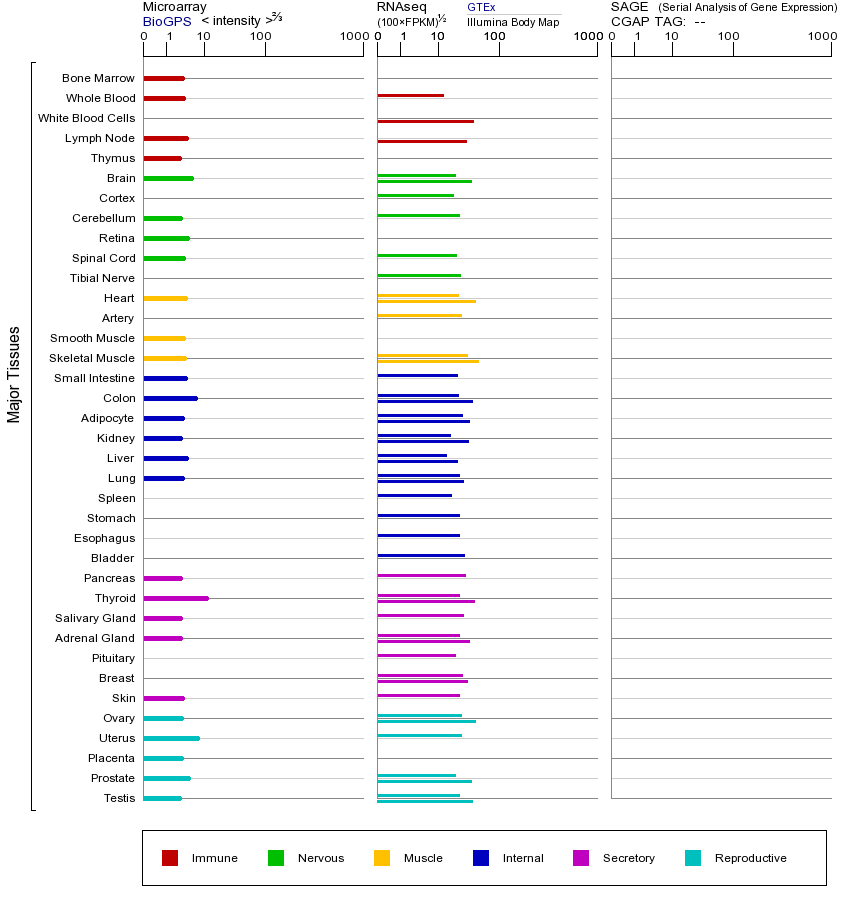
Gene Ontology
Subcellular localization of APPL1 (and its protein):
- plasma membrane
- cytoplasm
- extracellular
- golgi
- vesicle
- cytoskeleton
- endoplasmic reticulum
- nucleus
- endosome
- lysosome
- mitochondrion
Gene Ontology (GO) terms for APPL1:
| Interacting Gene | Interaction | Source/Score |
| Name |
|---|
| 5200 Pathways in cancer [PATH:hsa05200] |
| 5210 Colorectal cancer [PATH:hsa05210] |
| Name |
|---|
| Apoptosis |
| Caspase activation via extrinsic apoptotic signalig pathway |
| Ligand-independent caspase activation via DCC |
| Programmed Cell Death |
| Disease | Score | NofPmids | NofSnps | Source |
| Diabetes Mellitus, Non-Insulin-Dependent | 0.002909916 | 3 | 0 | BeFree_GAD |
| Insulin Resistance | 0.002367032 | 1 | 0 | GAD |
| Obesity | 0.001085767 | 4 | 0 | BeFree |
| Diabetes Mellitus | 0.000542884 | 2 | 0 | BeFree |
| Non-alcoholic Fatty Liver Disease | 0.000542884 | 2 | 0 | BeFree |
| Diabetes | 0.000542884 | 2 | 0 | BeFree |
| Malignant neoplasm of ovary | 0.000271442 | 1 | 0 | BeFree |
| Maturity onset diabetes mellitus in young | 0.000271442 | 1 | 0 | BeFree |
| Endothelial dysfunction | 0.000271442 | 1 | 0 | BeFree |
| Arteriosclerosis | 0.000271442 | 1 | 0 | BeFree |

Contact
No. 2 Wenbo Road, Zhangqiu District, Jinan, Shandong
Qilu Normal University · Genelibs Bioinformatics Lab
750 Shunhua Rd, Jinan
2F, Bldg F, University Science Park
Tel: 0531-88819269
WeChat Official Account
Follow our WeChat subscription account for real-time updates and the latest in medical and biological research.
Business Email
E-mail: product@genelibs.com

Copyright © 2026.Genelibs Jinan Honghui Biotechnology Co., Ltd. 鲁ICP备20007159号-2
