
TAF2 (TATA-box binding protein associated factor 2)

TAF2, also known as TATA-box binding protein associated factor 2, is a critical subunit of the transcription factor IID (TFIID) complex, a multi-protein assembly essential for the initiation of eukaryotic transcription by RNA polymerase II. As a member of the TAF gene family, TAF2 contributes to the recognition of core promoter elements, particularly the TATA box, by serving as a structural bridge within the TFIID complex; its N-terminal domain directly binds to the TATA-box binding protein (TBP), while its C-terminal region interacts with other TAF subunits to stabilize the overall architecture of the complex. This precise assembly enables the recruitment of RNA polymerase II to specific genomic loci, thereby regulating the transcription of genes involved in cell cycle control, differentiation, and developmental processes. TAF2 is predominantly localized in the nucleus, where it exerts its function through conserved histone fold domains that mediate protein-protein interactions, facilitating chromatin remodeling and epigenetic regulation. Disruption of TAF2 function, such as through loss-of-function mutations including missense or truncation variants, can impair TFIID assembly and global transcriptional regulation, leading to severe phenotypic consequences such as embryonic developmental defects and aberrant cell proliferation. Conversely, dysregulated TAF2 expression has significant implications for disease pathology; overexpression may aberrantly activate downstream pro-proliferative genes, including cyclins, thereby promoting tumorigenesis, while reduced expression can suppress essential transcriptional programs, compromising cell survival. Recent studies have linked TAF2 mutations to various cancers, notably colorectal cancer, as well as neurodevelopmental disorders, underscoring its vital role in maintaining genomic stability and proper cellular homeostasis within the broader transcriptional regulatory network.
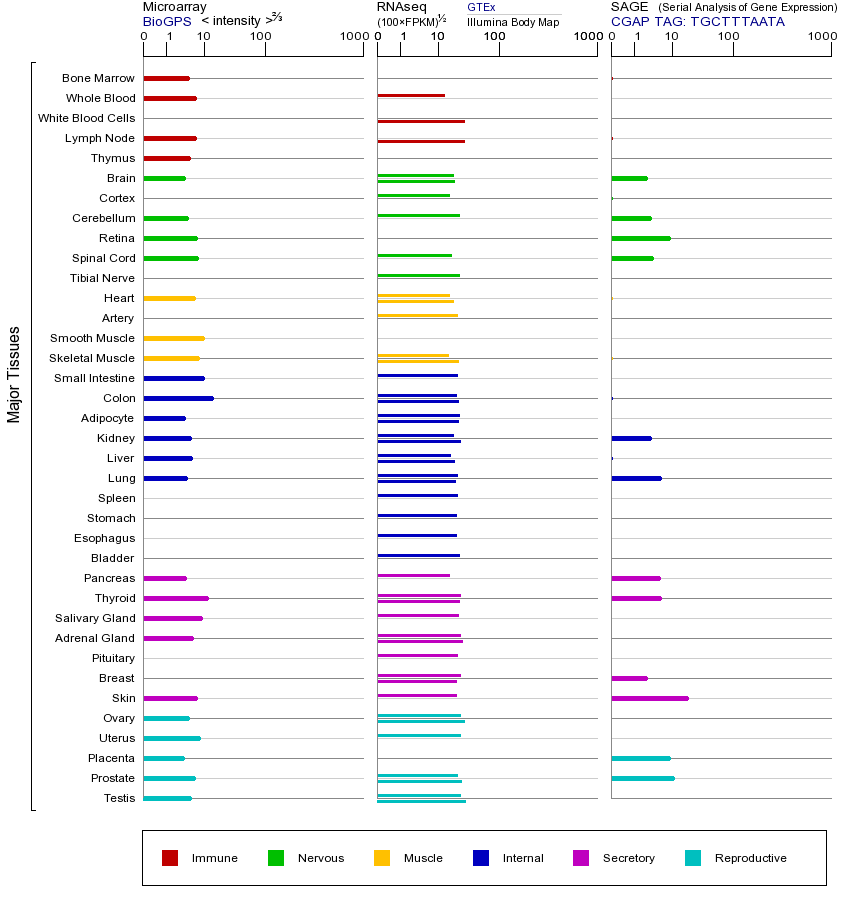
Gene Ontology
Subcellular localization of TAF2 (and its protein):
- plasma membrane
- cytoplasm
- extracellular
- golgi
- vesicle
- cytoskeleton
- endoplasmic reticulum
- nucleus
- endosome
- lysosome
- mitochondrion
Gene Ontology (GO) terms for TAF2:
| Interacting Gene | Interaction | Source/Score |
| Name |
|---|
| 3022 Basal transcription factors [PATH:hsa03022] |
| Name |
|---|
| Disease |
| Gene Expression |
| HIV Infection |
| HIV Life Cycle |
| HIV Transcription Initiation |
| Infectious disease |
| Late Phase of HIV Life Cycle |
| RNA Polymerase II HIV Promoter Escape |
| RNA Polymerase II Pre-transcription Events |
| RNA Polymerase II Promoter Escape |
| RNA Polymerase II Transcription |
| RNA Polymerase II Transcription Initiation |
| RNA Polymerase II Transcription Initiation And Promoter Clearance |
| RNA Polymerase II Transcription Pre-Initiation And Promoter Opening |
| Transcription |
| Transcription of the HIV genome |
| Disease | Score | NofPmids | NofSnps | Source |
| MENTAL RETARDATION, AUTOSOMAL RECESSIVE 40 | 0.36 | 1 | 1 | CLINVAR_ORPHANET_UNIPROT |
| Intellectual Disability | 0.120542884 | 3 | 0 | BeFree_CTD_human |
| Spinocerebellar Ataxia Type 7 | 0.000271442 | 1 | 0 | BeFree |
| Central neuroblastoma | 0.000271442 | 1 | 0 | BeFree |
| Neuroblastoma | 0.000271442 | 1 | 0 | BeFree |
| Neurodegenerative Disorders | 0.000271442 | 1 | 0 | BeFree |
| Measles | 0.000271442 | 1 | 0 | BeFree |

Contact
No. 2 Wenbo Road, Zhangqiu District, Jinan, Shandong
Qilu Normal University · Genelibs Bioinformatics Lab
750 Shunhua Rd, Jinan
2F, Bldg F, University Science Park
Tel: 0531-88819269
WeChat Official Account
Follow our WeChat subscription account for real-time updates and the latest in medical and biological research.
Business Email
E-mail: product@genelibs.com

Copyright © 2026.Genelibs Jinan Honghui Biotechnology Co., Ltd. 鲁ICP备20007159号-2
